
Jul 9, 2026
...
Happy Receivers
...
Donors
...
Area Covers
...
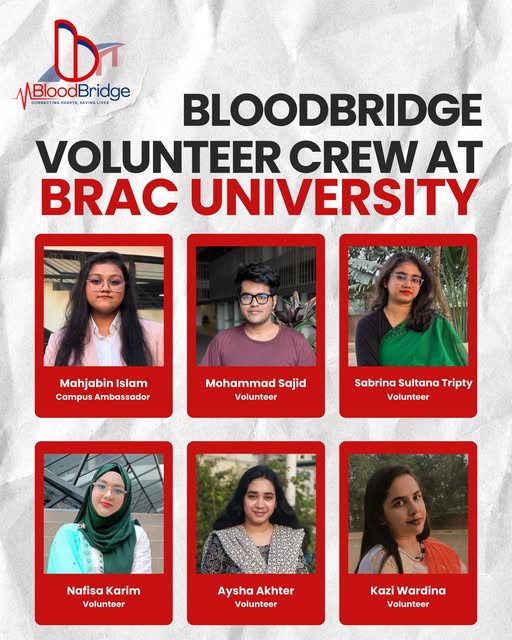
Volunteers
Do you know
✓Facts
 The process is relatively painless, with only a slight prick felt during needle insertion.A healthy body replenishes the lost blood volume within 48 hours, with no long-term effects.All equipment used is sterile and single-use, ensuring no risk of infection.Blood banks need a constant supply for emergencies and chronic conditions like cancer or anemia.Vegetarians have sufficient nutrients, including iron, to maintain healthy hemoglobin levels.
✕Myths
 Donating blood is painfulDonating blood weakens the donorYou can catch diseases like HIV from donatingBlood donation is only needed during emergenciesVegetarians cannot donate blood
Your benefit
Health Benefits
Improves cardiovascular health and promotes overall well-being.
Saving Lives
Ensures timely support for patients in life-threatening situations.
Community Impact
Creates a culture of care and empathy within the community.
Personal Fulfillment
Provides a deep sense of accomplishment and purpose.
Emergency Preparedness
Contributes to maintaining a steady blood supply for disaster or crisis response.
Social Awareness
Raises awareness about the importance of regular blood donation.
Educational Impact
Educates donors about their health through free screenings and consultations.
Corporate Responsibility
Enables businesses to engage employees in meaningful CSR activities through donation drives.
Youth Engagement
Encourages young people to adopt a culture of volunteering and social responsibility.
Medical Support
Assists hospitals and clinics in managing their blood reserves effectively.
Rare Blood Type Network
Builds a network of rare blood type donors for critical situations.
Global Impact
Contributes to worldwide efforts in improving healthcare and saving lives.
Bangladesh Thalassemia Samity & Hospital
Combined medicine screening package.
৳1500
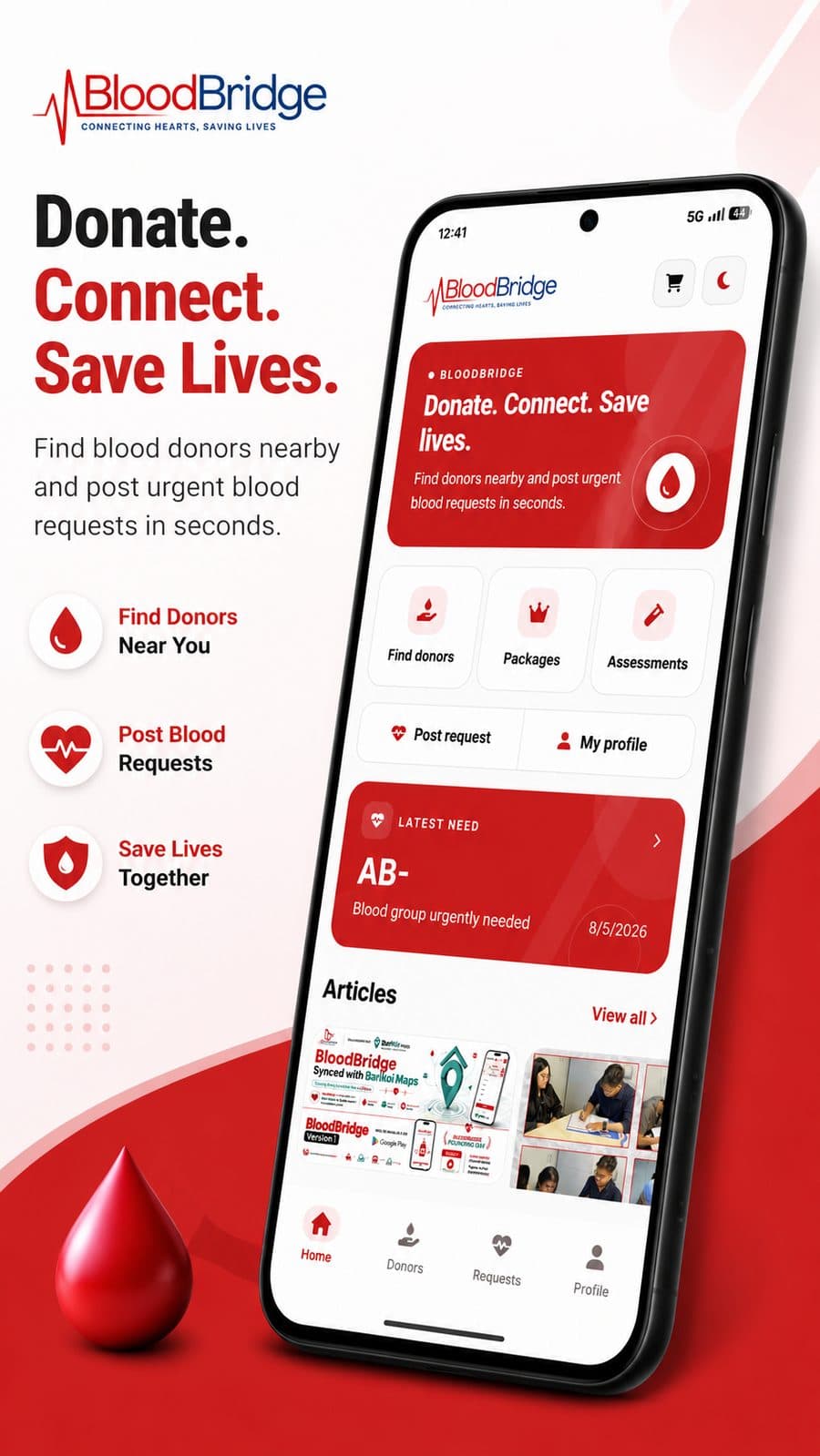
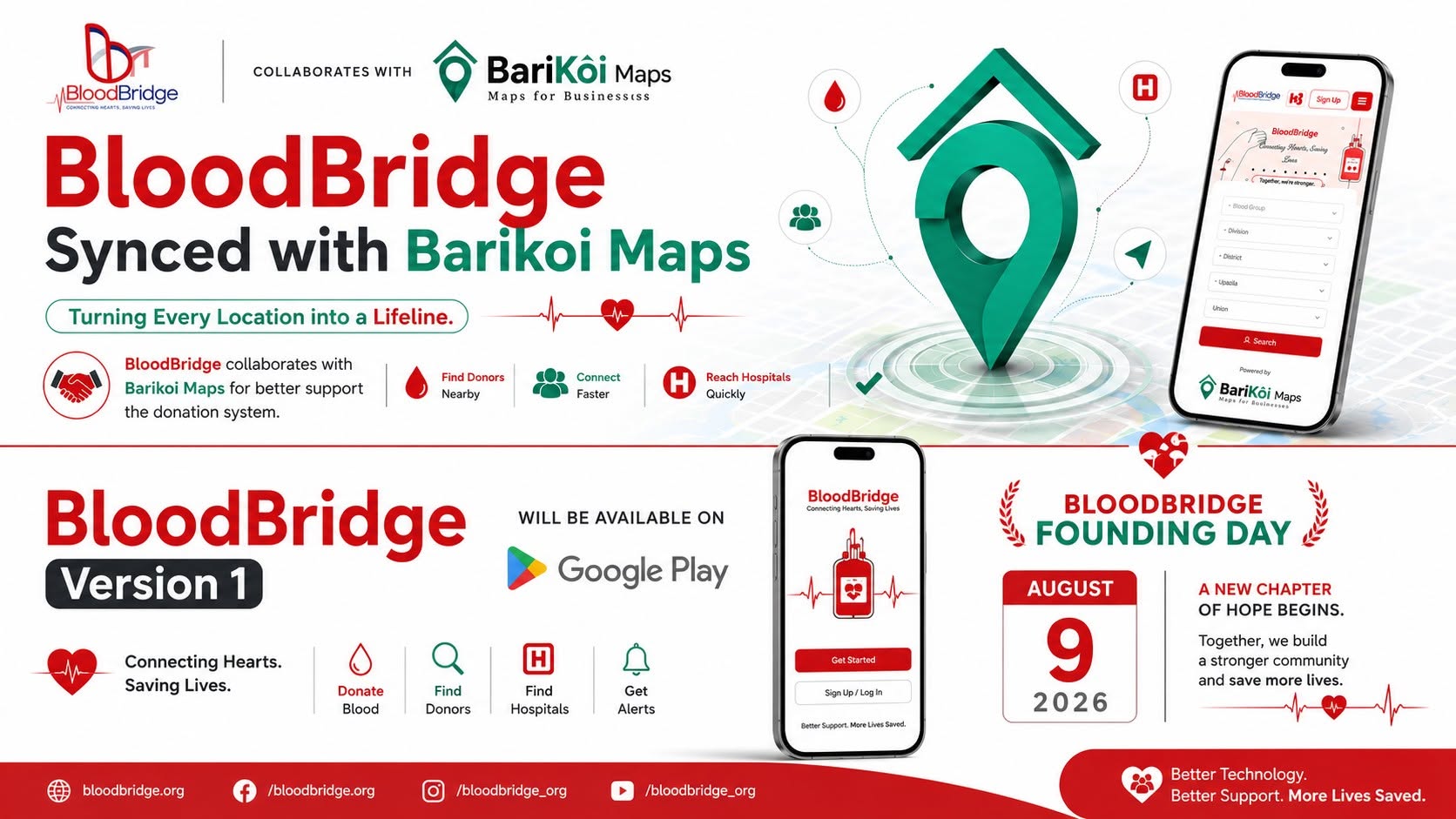
Mobile app
Find nearby donors, post blood requests, manage orders, and stay updated — all from the Android app.